Beyond the Microscope: The Critical Role of Histopathologists in Modern Disease Diagnosis
By Recruit Art · 27 November 2026
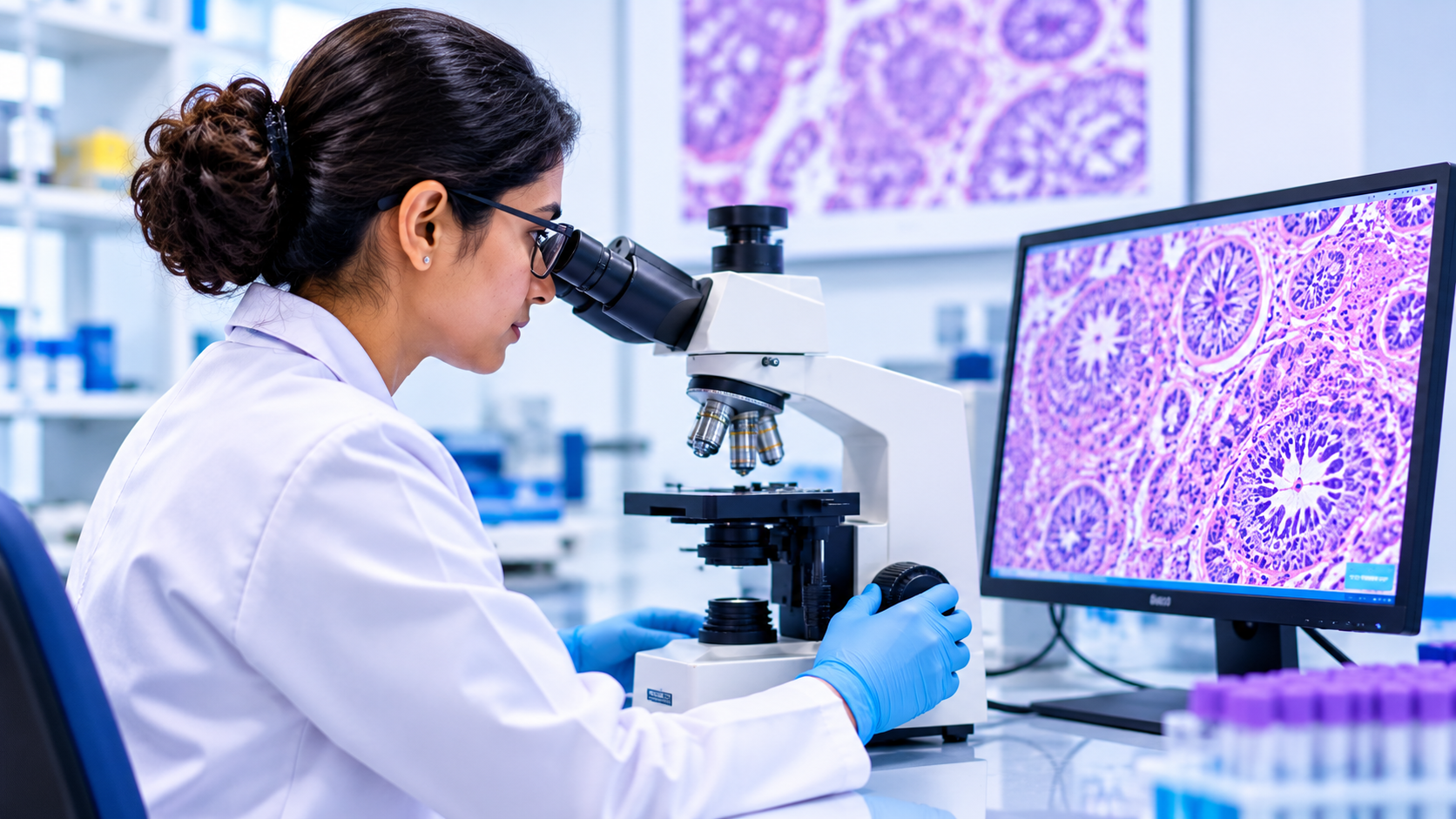
Accurate diagnosis is the foundation of effective medical treatment. Behind many important clinical decisions is the expertise of a Histopathologist, a medical specialist who examines tissue samples to identify diseases, determine their nature, and support appropriate treatment planning.
With advancements in cancer diagnosis, molecular pathology, and precision medicine, Histopathology has become an essential part of modern healthcare. Hospitals, cancer centres, and diagnostic laboratories increasingly rely on skilled Histopathologists to deliver accurate and timely diagnostic services.
Who Is a Histopathologist?
A Histopathologist is a medical specialist who studies tissue samples under a microscope to identify abnormalities, diagnose diseases, and assess changes in tissue structure.
Histopathological examination plays a particularly important role in diagnosing cancers, inflammatory conditions, infections, and various other diseases.
By analysing biopsies, surgical specimens, and other tissue samples, Histopathologists provide valuable information that helps clinicians determine the most appropriate treatment approach.
Key Responsibilities of a Histopathologist
Histopathologists perform several important diagnostic and laboratory responsibilities, including:
Examining biopsy specimens and surgical tissue samples.
Identifying benign, malignant, and premalignant conditions.
Diagnosing different types of cancers through tissue examination.
Performing and interpreting histopathological investigations.
Evaluating immunohistochemistry (IHC) results.
Assessing tumour characteristics, margins, and other relevant pathological features.
Preparing detailed and accurate diagnostic reports.
Collaborating with oncologists, surgeons, radiologists, and other specialists.
Maintaining diagnostic quality and laboratory standards.
Important Techniques Used in Histopathology
Modern Histopathology combines traditional microscopic examination with advanced diagnostic techniques.
1. Histopathological Examination
This involves examining tissue sections to identify cellular abnormalities, tissue architecture changes, and disease-related patterns.
2. Immunohistochemistry (IHC)
IHC uses specific antibodies to identify proteins in tissue samples. It is particularly important in tumour classification, cancer diagnosis, and treatment-related biomarker assessment.
3. Frozen Section Examination
Frozen section analysis provides rapid intraoperative diagnostic information, helping surgeons make important decisions during surgical procedures.
4. Special Staining Techniques
Special stains help identify specific tissue components, microorganisms, and pathological changes that may not be clearly visible with routine staining.
5. Molecular Pathology
Molecular diagnostic techniques help identify genetic and molecular alterations associated with different diseases, particularly cancers.
Role of Histopathologists in Cancer Diagnosis
Histopathology plays a central role in cancer management.
A tissue biopsy often provides the definitive diagnosis of a suspected malignancy. Histopathologists evaluate the type of tumour, its grade, relevant pathological features, and other findings that help guide clinical management.
In modern oncology, pathology reports may also include important biomarker information that supports decisions regarding targeted therapies and personalized treatment.
Their expertise is essential in multidisciplinary tumour boards, where specialists discuss diagnosis and treatment strategies for individual patients.
Qualifications and Skills Required for Histopathologist Jobs
Healthcare organizations generally seek candidates with the following qualifications:
MD or DNB in Pathology.
Relevant experience in Histopathology.
Strong knowledge of biopsy and surgical specimen reporting.
Expertise in tissue processing, staining, and microscopic examination.
Experience in Immunohistochemistry (IHC) is advantageous for specialized positions.
Knowledge of oncological and non-oncological pathology.
Strong diagnostic interpretation and reporting skills.
Good communication and multidisciplinary collaboration abilities.
Specific eligibility and experience requirements may vary depending on the healthcare institution.
Career Opportunities for Histopathologists in India
The growing demand for accurate disease diagnosis and advanced cancer care has created career opportunities for Histopathologists across India.
Qualified specialists can explore opportunities in:
Multi-specialty and super-specialty hospitals.
Cancer and oncology centres.
Standalone diagnostic laboratories.
Reference pathology laboratories.
Medical colleges and academic institutions.
Specialized histopathology and molecular diagnostic centres.
Major healthcare destinations such as Delhi NCR, Mumbai, Bengaluru, Hyderabad, Chennai, Kolkata, Pune, and other growing cities offer opportunities for experienced pathology specialists.
The Future of Histopathology
Histopathology is evolving with the introduction of digital pathology, artificial intelligence-assisted image analysis, molecular diagnostics, and precision oncology.
Digital pathology is improving the accessibility of tissue slides for consultation and review, while advanced molecular techniques are helping clinicians understand diseases at a deeper level.
These developments are expanding the scope of Histopathologists and strengthening their importance in modern diagnostic medicine.
As healthcare organizations continue investing in advanced pathology infrastructure, skilled Histopathologists will remain essential to delivering reliable and accurate patient diagnoses.
Explore Histopathologist Career Opportunities with Recruit Art
At Recruit Art – Hiring Experts, we specialize in connecting qualified medical professionals with leading hospitals, diagnostic laboratories, cancer centres, and healthcare organizations across India and international markets.
We assist MD/DNB Pathologists and experienced Histopathologists in exploring suitable career opportunities based on their qualifications, clinical expertise, experience, and preferred locations.
Whether you are an experienced Consultant Histopathologist or looking for your next professional opportunity, our recruitment team can help you connect with relevant healthcare organizations.
Looking for Histopathologist Jobs in India?
Share your updated CV with our recruitment team.
Email: jobs@recruitart.in
Apply Now: https://recruitart.in/jobs/236
Recruit Art – Hiring Experts
Connecting Healthcare Talent with the Ri